Subscribe for ad free access & additional features for teachers. Authors: 267, Books: 3,607, Poems & Short Stories: 4,435, Forum Members: 71,154, Forum Posts: 1,238,602, Quizzes: 344
Magic
A Fantastic Comedy
(1913)
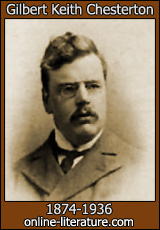
This play is merely the canvas chosen by the author to propose an idea and a question. Does the spiritual realm still have a place in this seemingly practical modern age that we all live in, and if so, how can we as individuals accept it? Chesterton's creation and development of his different characters creatively shows the different views of this issue and how each one reacts and deals with this question. From the very beginning, the play is riveting with mystery and an eloquence entirely the author's own. Sadly, the three acts of the play are all together almost as short as a one-act, which doesn't allow the rich and enjoyable characters the author has created to flourish or to step outside the one pervading idea of the piece and into lives of their own. They only exist to answer the plays thematic question and to react. Once that is done, the play ends as well. Yet its end is well done and satisfying to the plays purpose. This is a very enjoyable quick read, which would be relatively easy to stage and enjoyable to most audiences if the actors are able to find the author's marvellous sarcastic wit as well as the gravity of the issue without falling into melodramatic antics.--Submitted by Mary Pearce
Fan of this book? Help us introduce it to others by writing a better introduction for it. It's quick and easy, click here.
Recent Forum Posts on Magic
Introduction
The introduction to this work of literature is excellent! I am excited to read the play, now, and maybe even perform it with a drama team someday!
Please submit a quiz here.
Here is where you find links to related content on this site or other sites, possibly including full books or essays about Gilbert Keith Chesterton written by other authors featured on this site.
Sorry, no links available.