Subscribe for ad free access & additional features for teachers. Authors: 267, Books: 3,607, Poems & Short Stories: 4,435, Forum Members: 71,154, Forum Posts: 1,238,602, Quizzes: 344
The Outlaw of Torn
Fan of this book? Help us introduce it to others by writing a better introduction for it. It's quick and easy, click here.
Recent Forum Posts on The Outlaw of Torn
Review of the Outlaw of Torn
The Outlaw of Torn is a fascinating tale of adventure and romance. Cleverly weaving several apparently unrelated plots into one larger epic story, the Outlaw of Torn borrows heavily from the story of one of English history's greatest mysteries -- the disappearance and fate of Richard, the lost Prince of England. From betrayal to loyalty, from love to hate, from compassion to vengence, and from denial to acceptance, this masterwork of historical fiction will lead the reader through the full spectrum of human emotions, while bringing to life the pagentry and savagery of 13th Century England in spectacular fashion.
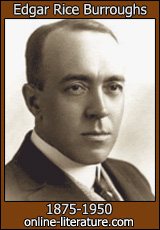
This book is most highly recommended, and will no doubt be thoroughly enjoyed by all ERB fans.
Please submit a quiz here.
Here is where you find links to related content on this site or other sites, possibly including full books or essays about Edgar Rice Burroughs written by other authors featured on this site.
Sorry, no links available.